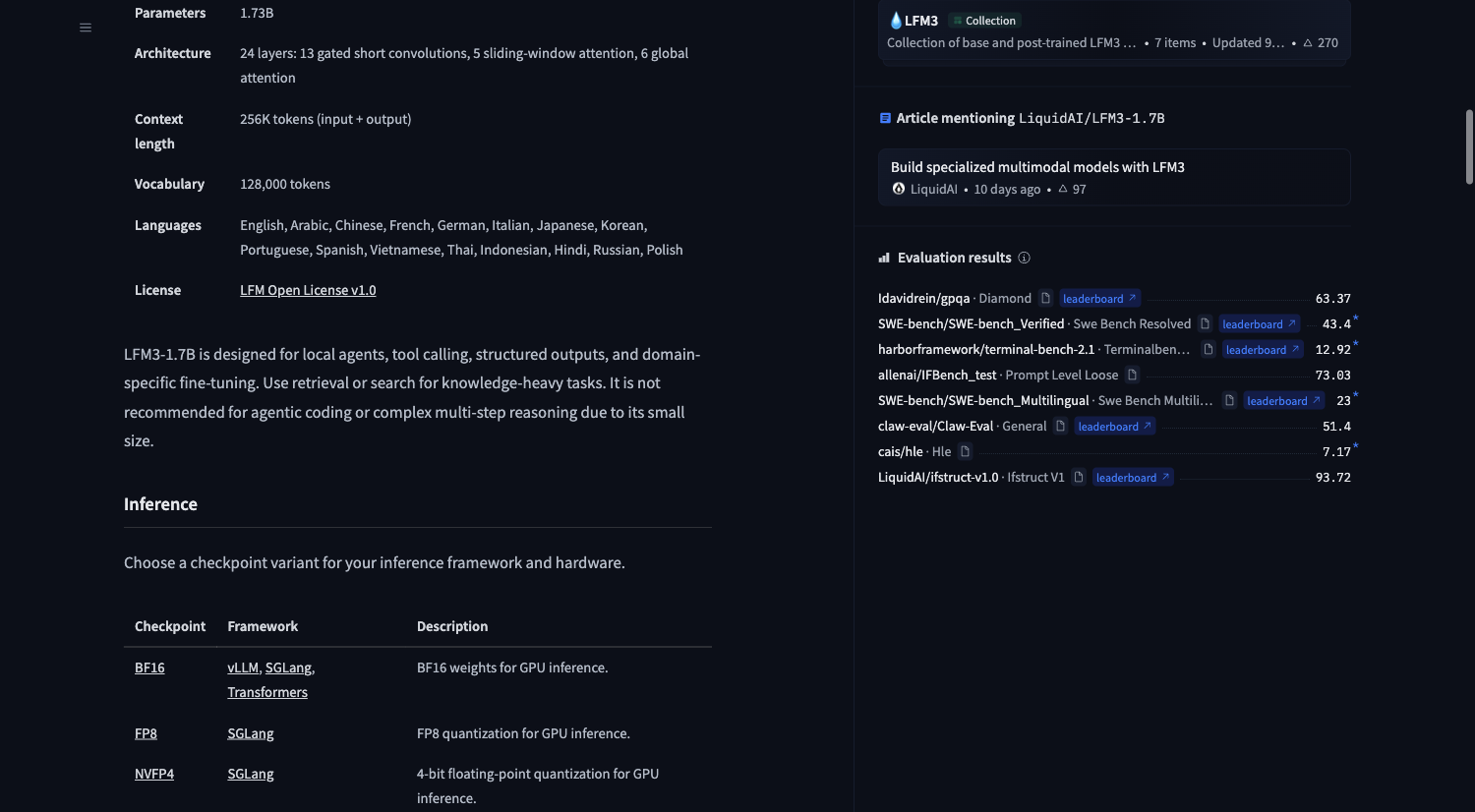
LFM3-1.7B
LFM3-1.7B is Liquid AI’s compact text model for local tool use, structured extraction and domain adaptation, with multiple deployment formats and a custom commercial license.
LFM3-1.7BText models
90
LFM3-1.7B is Liquid AI’s compact text model for local tool use, structured extraction and domain adaptation, with multiple deployment formats and a custom commercial license.
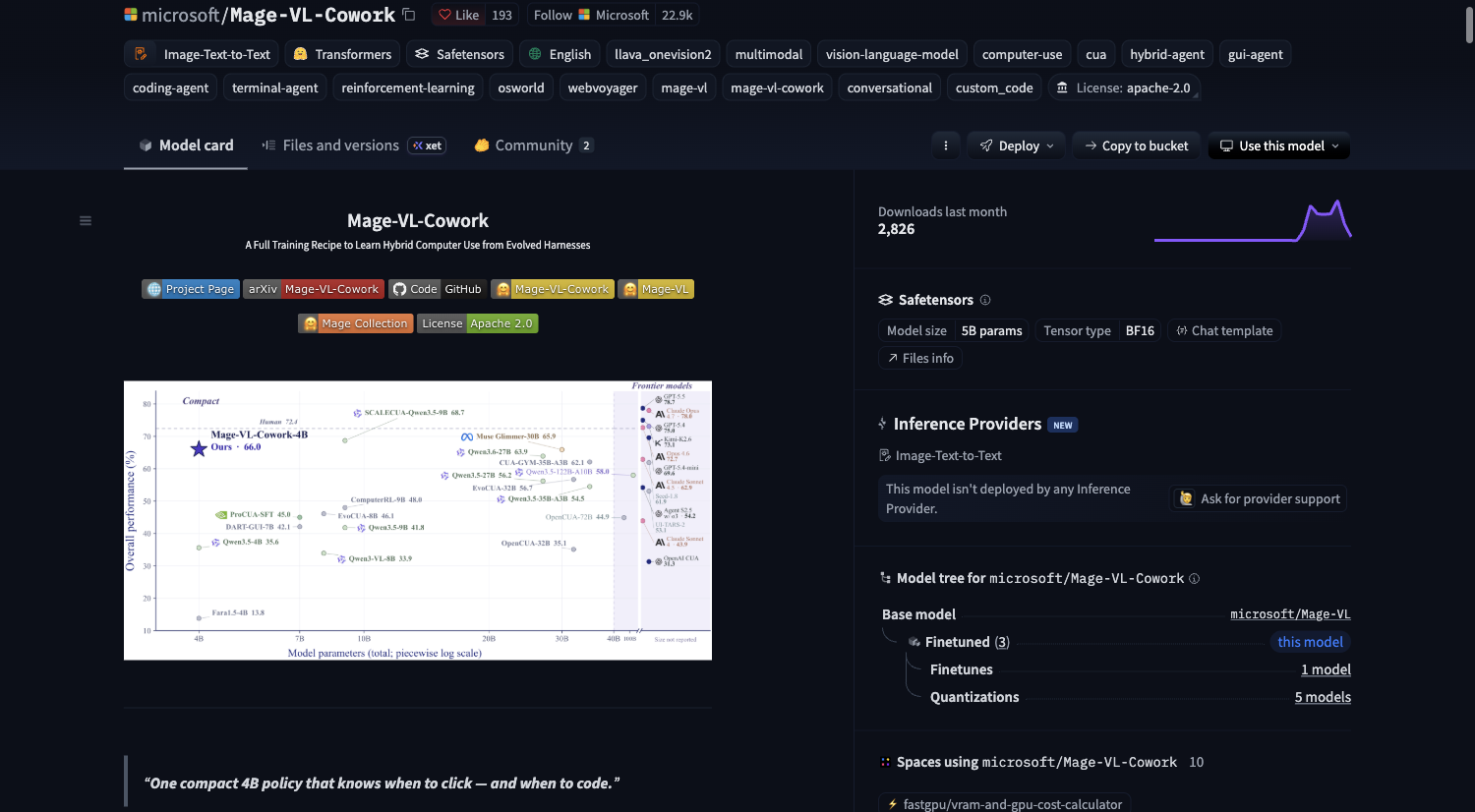
Mage-VL-Cowork is Microsoft’s 4B hybrid computer-use model, choosing screenshot-based GUI actions or code/terminal tools within a documented agent environment.
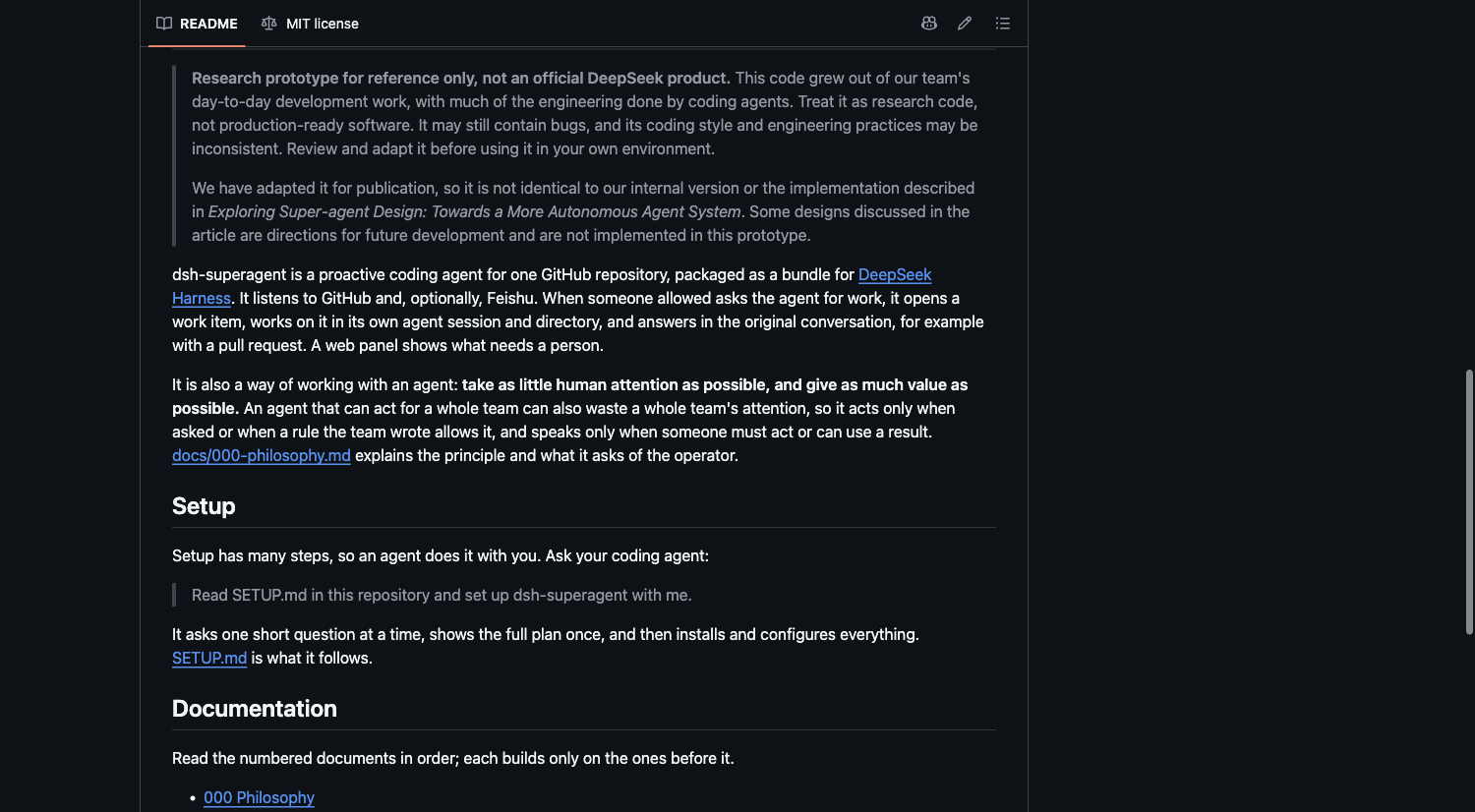
dsh-superagent is a DeepSeek Harness research prototype for authorised repository tasks, with GitHub/Feishu intake, work tickets, isolated sessions and reviewable delivery.
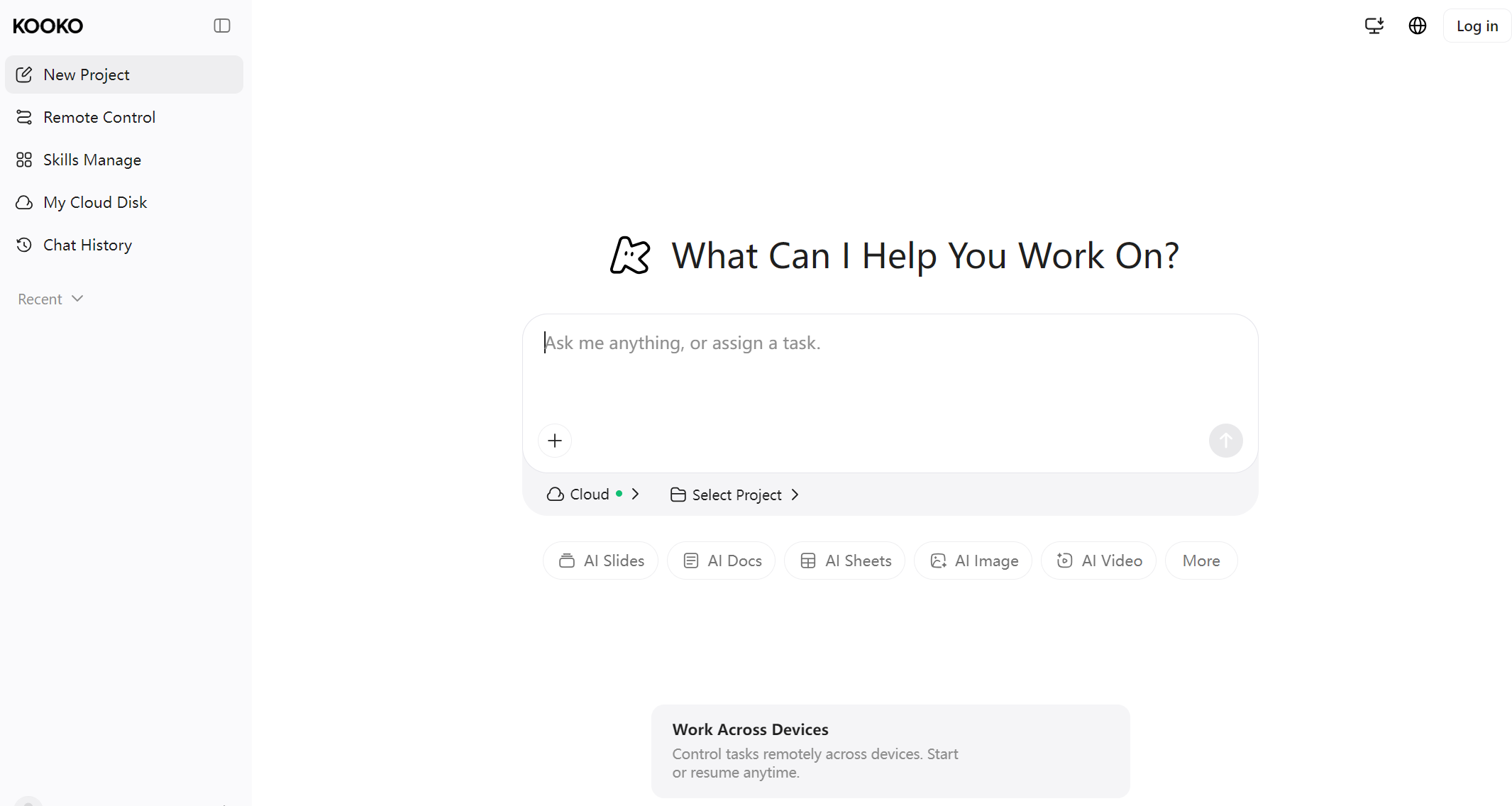
Kooko is an all-in-one AI workspace designed to simplify creative and knowledge work. Instead of switching between multiple AI tools, users can access a growing range of AI-powered capabilities from one platform. With Kooko, users can create presentations, generate and edit images, produce videos, write and transform content, transcribe audio, conduct deep research, and use AI-powered agents for more complex tasks. Kooko is built for creators, marketers, professionals, students, and anyone who wants to save time and get more done with AI. By bringing multiple AI workflows into one workspace, Kooko makes it easier to move from an idea to finished content without constantly switching between different tools and platforms. What is Kooko? Kooko is an AI-powered workspace that brings multiple creative and productivity tools together in one platform. It helps users create content, research information, and complete everyday knowledge-work tasks with AI. Instead of using separate applications for presentations, images, videos, writing, transcription, and research, users can access these AI capabilities from a single workspace. Kooko combines AI generation, editing, research, and agent-powered workflows to help users turn ideas into finished work more efficiently. Key Features 1. AI Presentation Generation Create professional presentations from ideas, topics, or written content with AI. Kooko can help structure information, generate slide content, and turn concepts into presentation-ready decks. 2. AI Image Generation Generate images from text prompts and create visual assets for presentations, marketing, social media, creative projects, and other use cases. 3. AI Video Generation Create AI-generated videos from prompts and creative inputs for marketing, storytelling, social media, presentations, and other content workflows. 4. AI Writing Generate, rewrite, expand, summarize, and refine text for different types of content and communication. 5. AI Transcription Convert audio and speech into text with AI-powered transcription, making it easier to process meetings, interviews, recordings, and other spoken content. 6. Deep Research Use AI-powered research capabilities to explore topics, gather information, and organize findings into useful outputs. 7. AI Agents Kooko provides agent-powered workflows that can handle more complex tasks by combining AI capabilities and tools instead of relying only on a single prompt-and-response interaction. 8. Multiple AI Models and Tools Kooko brings different AI capabilities into one workspace, allowing users to choose the tools or models that best fit their creative and productivity needs. 9. One AI Workspace Kooko reduces the need to switch between separate AI applications by bringing content creation, research, and productivity workflows together in one place. Use Cases Creating presentations and pitch decks Generating marketing visuals Creating social media content Producing AI-generated videos Writing and editing content Summarizing documents and information Transcribing meetings and interviews Conducting research Brainstorming creative ideas Creating educational materials Developing business content Automating repetitive creative and knowledge-work tasks Target Users Creators Create images, videos, presentations, and other content with AI. Marketers Produce marketing materials, presentations, visual assets, and social media content more efficiently. Professionals Use AI for research, writing, presentations, transcription, and everyday productivity. Students & Educators Research topics, summarize information, create presentations, and develop learning materials. Teams & Businesses Streamline content creation and knowledge-work workflows with multiple AI capabilities in one workspace. Why Kooko? Kooko brings multiple AI capabilities into one workspace instead of requiring users to switch between separate tools for different tasks. From research and writing to presentations, images, videos, and transcription, Kooko is designed to help users move from idea to finished work faster.
Skydive lets teams create AI agents that complete real work inside the tools they already use. Instead of relying on another chatbot or manually building workflows, users describe the outcome they need and Skydive builds an agent around it. No code, prompt engineering, or blank canvas is required. Every agent has its own computer with a real browser. It can log into tools, click, type, pull data, and complete tasks from start to finish, just like a person. If you can do something on a computer, your agent can do it too. Teams are not limited to one assistant. They can build a crew of agents, each with its own role, that hand off tasks and share context to tackle bigger jobs. Agents can work wherever teams already do, including the web, Slack, email, and iMessage, with one identity and memory across channels. Skydive agents can also work independently. Teams can turn recurring tasks into routines so agents monitor work, take action, and deliver results on schedule, even when no one is at their computer. Agents improve over time as well. Correct an agent once, and it remembers, allowing useful judgment to carry across conversations and the wider team. Skydive connects with tools teams already use, including Gmail, GitHub, Notion, and Linear. Agents can read information, draft content, schedule tasks, and take action on a team’s behalf. By combining autonomous agents, shared context, browser-based computer access, and integrations, Skydive helps teams automate real work while keeping people and their workflows connected. This gives teams a flexible way to delegate work without replacing the systems they already rely on. Rather than simply answering questions, Skydive agents can take action, coordinate with other agents, and keep work moving across steps. The result is a more practical approach to AI for team workflows.

Hivemind adds a shared memory and skill layer for coding agents, aiming to preserve useful traces, codify repeatable patterns, and make one engineer's agent work reusable across the whole team.

DecisionBox is an autonomous warehouse-analysis agent that writes and validates its own SQL, then turns findings into a ranked backlog of insights instead of waiting for a human to ask the right question.
Agent Browser Shield is an alpha Chromium MV3 extension with 35+ local page-cleaning, PII-masking, dark-pattern, and prompt-injection rules for browser agents. This review examines its benchmark, privacy, PolyForm Shield license, false-positive risk, deployment, testing, and layered-security role.
Asteroid is a healthcare-focused browser and computer-use platform for connecting EHRs, payer portals, registries, desktop apps, and Citrix workflows that lack clean APIs. This review covers architecture, HIPAA-sensitive controls, pilot design, pricing evidence, and alternatives.
Hermes WebUI is a self-hosted browser interface for Hermes Agent that brings chat, files, sessions, memory, and agent controls into a web app without giving up the underlying CLI-style power.
Agentspan is an MIT-licensed, self-hostable runtime that compiles AI agents into durable Conductor workflows. This practical guide explains crash recovery, approvals, retries, observability, framework integrations, security boundaries, rollout tests, costs, and alternatives.
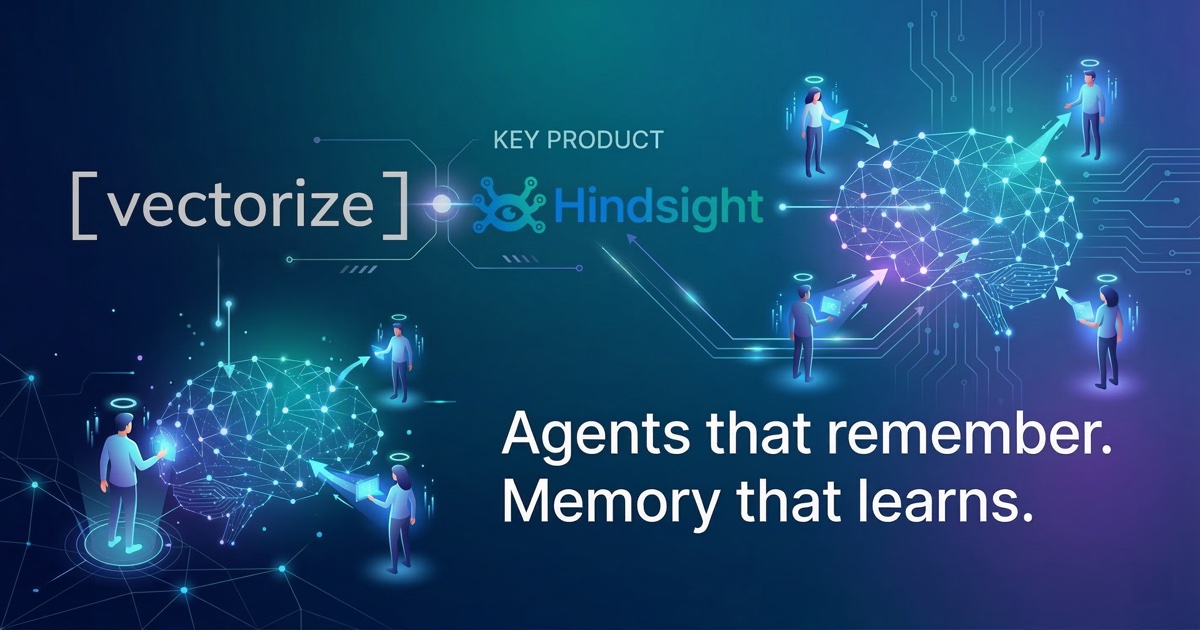
Hindsight is an open-source agent memory system that gives AI agents durable, structured memory so they can recall facts, learn from outcomes, and improve across sessions.
OpenSwarm is an open-source multi-agent workspace that turns one prompt into coordinated outputs across research, docs, slides, data, images, and other deliverables.
Envelope is a platform and open standard for defining AI agent teams, versioning how they work, and deploying them across orchestration environments without forcing teams into one proprietary workflow.
OpenAgent is a self-hosted personal AI assistant platform that combines MCP, RAG, browser and computer use, and multi-provider model support in one package.
Open Comet is an open-source browser sidepanel agent for researching pages, taking actions, and running multi-step web workflows with local or BYOK models.
Jarvis Registry is an enterprise MCP and agent gateway for connecting copilots to internal tools through one governed layer with identity, ACLs, discovery, and observability.

AINL is an AI-native language and runtime model for graph-based agent workflows, constraints, and tool-driven execution with less dependence on long prompt loops.
Band is an infrastructure layer for multi-agent systems, giving agents persistent identity, structured memory, coordination, and auditability across frameworks.

mem9 gives coding agents and workflow apps one shared persistent memory layer so context survives across sessions, machines, and different agent runtimes.
iii is a code-first runtime for building APIs, workflows, observability, and AI agents on one shared execution surface instead of stitching every backend component together by hand.

Memory Store syncs conversations, snippets, and decisions from the tools your team already uses, then exposes that context as shared memory for agents and humans through MCP.
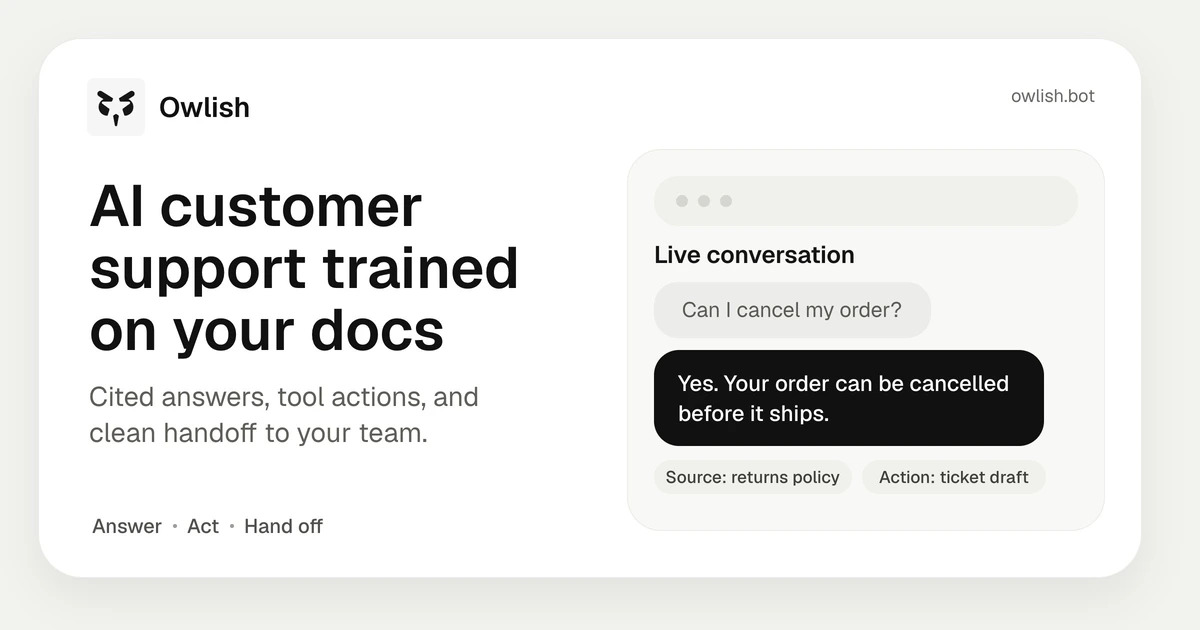
Owlish turns websites, FAQs, docs, and PDFs into customer-support agents that can answer, act, cite sources, and hand work off to humans.
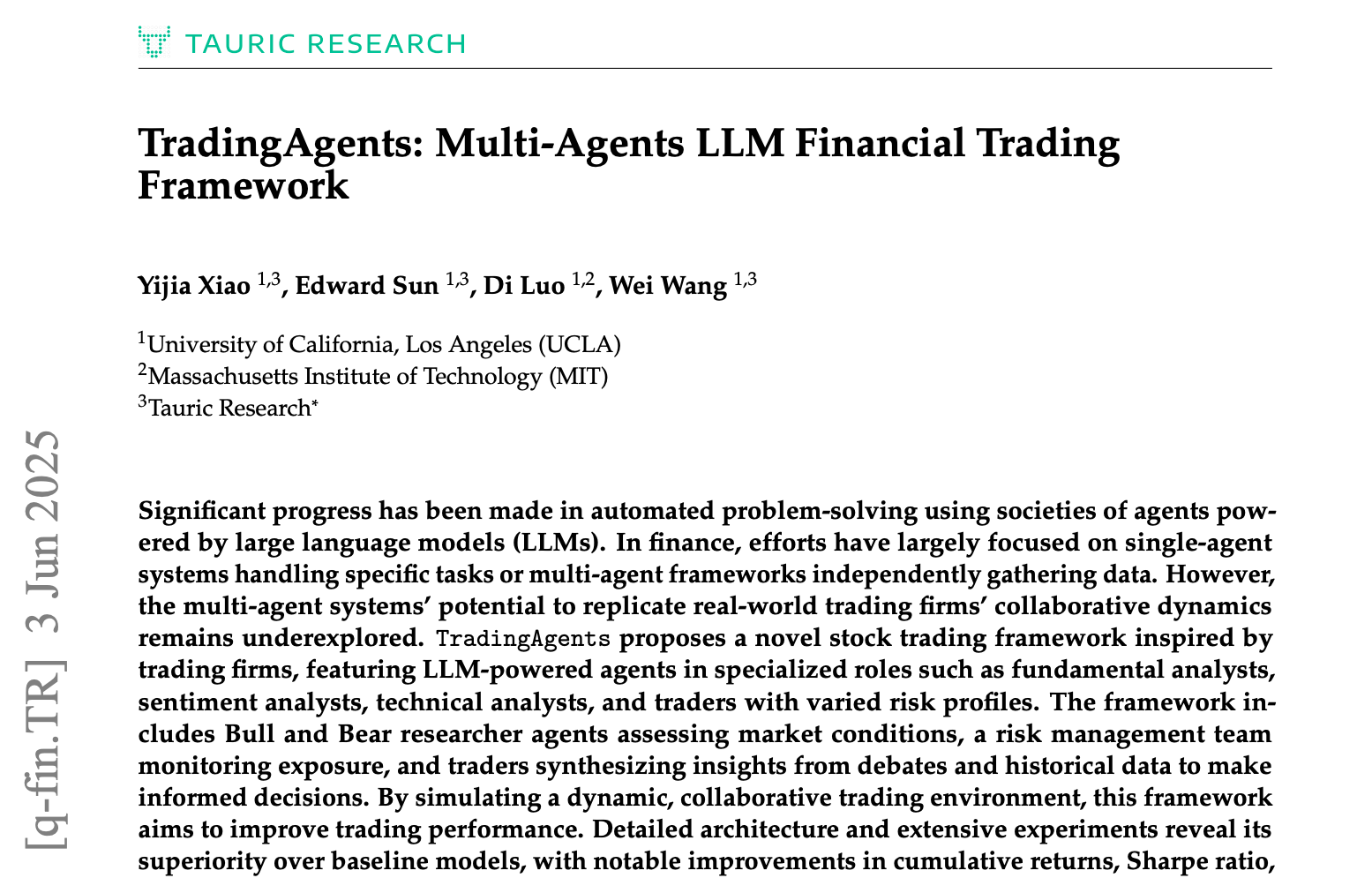
TradingAgents is an open-source multi-agent trading framework that coordinates analyst, researcher, trader, and risk roles to study markets with LLM-driven workflows.