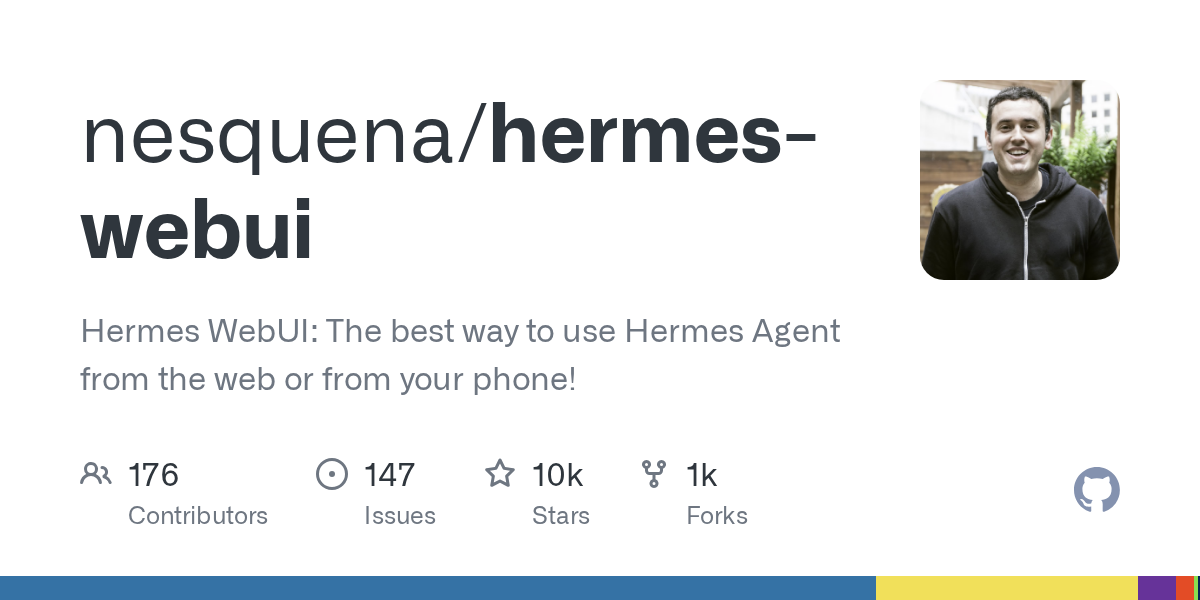
Hermes WebUI
Hermes WebUI is a self-hosted browser interface for Hermes Agent that brings chat, files, sessions, memory, and agent controls into a web app without giving up the underlying CLI-style power.
AI agentself-hostedweb UI
1780
Hermes WebUI is a self-hosted browser interface for Hermes Agent that brings chat, files, sessions, memory, and agent controls into a web app without giving up the underlying CLI-style power.
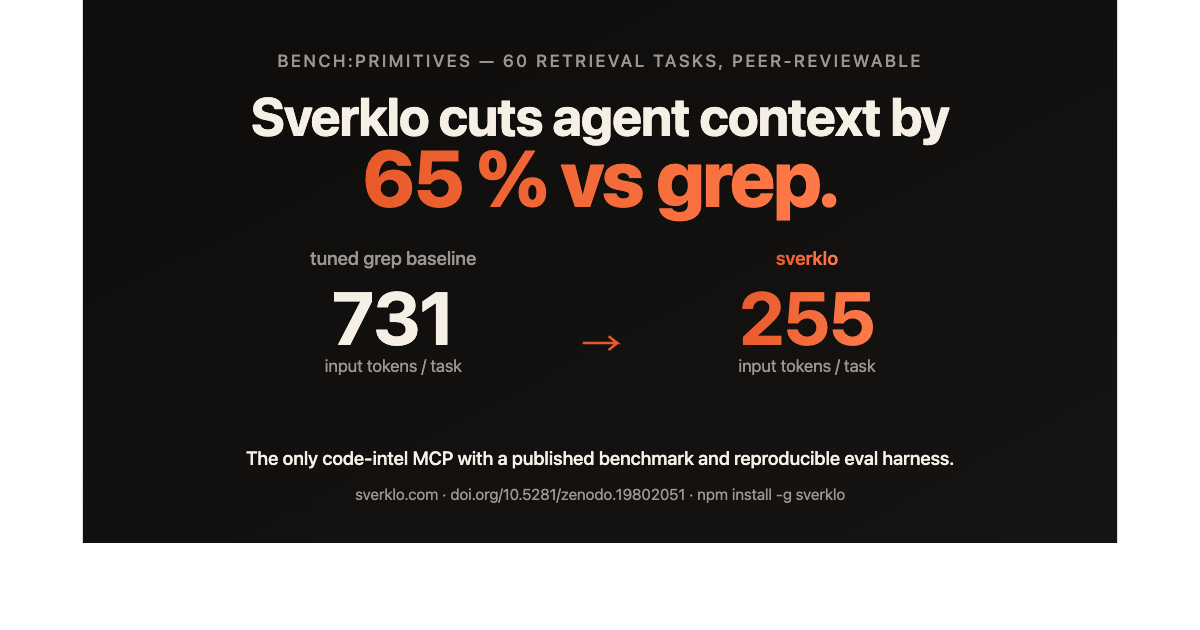
Sverklo is a local-first MCP server for coding agents that gives Claude Code, Cursor, Windsurf, Codex CLI and similar tools repo memory, symbol intelligence, blast-radius analysis, and git-pinned decisions before they edit code.
Agentspan is an MIT-licensed, self-hostable runtime that compiles AI agents into durable Conductor workflows. This practical guide explains crash recovery, approvals, retries, observability, framework integrations, security boundaries, rollout tests, costs, and alternatives.
Supermemory is a context cloud and memory API for agents that combines persistent memory, retrieval, profiles, connectors, and file extraction into one low-latency developer platform.
Hindsight is an open-source agent memory system that gives AI agents durable, structured memory so they can recall facts, learn from outcomes, and improve across sessions.
OpenSwarm is an open-source multi-agent workspace that turns one prompt into coordinated outputs across research, docs, slides, data, images, and other deliverables.
TAKT is an MIT-licensed TypeScript orchestrator that runs coding agents through YAML-defined workflows, review loops and isolated Git worktrees. This guide covers providers, permissions, quality gates, CI security, loop control, workflow design, metrics and alternatives.
Envelope is a platform and open standard for defining AI agent teams, versioning how they work, and deploying them across orchestration environments without forcing teams into one proprietary workflow.
OpenRouter is a multi-model AI gateway that lets teams route prompts across leading providers through one API while comparing price, latency, and model quality in a single layer.
OpenAgent is a self-hosted personal AI assistant platform that combines MCP, RAG, browser and computer use, and multi-provider model support in one package.
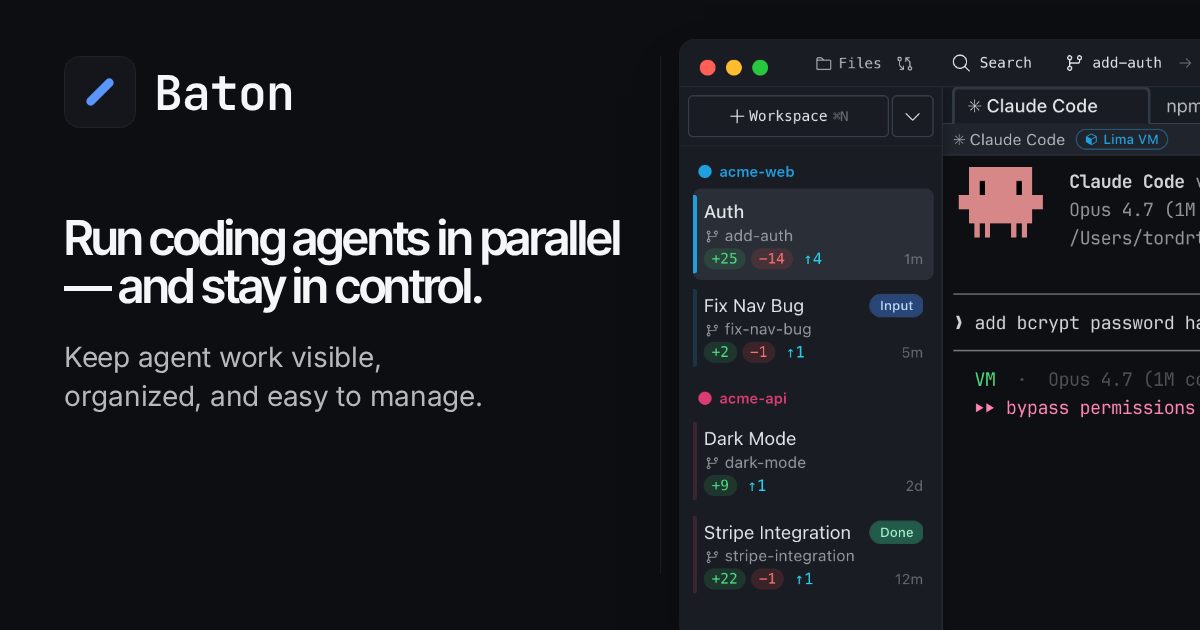
Baton is a desktop app for running multiple AI coding agents in parallel, each inside its own git-isolated workspace, with built-in search, diffs, notifications, and MCP support.

Open Comet is an open-source browser sidepanel agent for researching pages, taking actions, and running multi-step web workflows with local or BYOK models.
Jarvis Registry is an enterprise MCP and agent gateway for connecting copilots to internal tools through one governed layer with identity, ACLs, discovery, and observability.

AINL is an AI-native language and runtime model for graph-based agent workflows, constraints, and tool-driven execution with less dependence on long prompt loops.

MoneyPrinterTurbo is an MIT-licensed short-video pipeline that combines script generation, stock-footage search, multilingual TTS, subtitles, music, rendering, batch variants, and optional social publishing. This practical review covers setup, provider choices, quality control, licensing, security, cost, and production alternatives.
Band is an infrastructure layer for multi-agent systems, giving agents persistent identity, structured memory, coordination, and auditability across frameworks.
Claude Mem turns agent sessions into a persistent searchable archive, then compresses and feeds the relevant context back into future coding runs across multiple agent tools.

mem9 gives coding agents and workflow apps one shared persistent memory layer so context survives across sessions, machines, and different agent runtimes.
iii is a code-first runtime for building APIs, workflows, observability, and AI agents on one shared execution surface instead of stitching every backend component together by hand.
Open SWE is LangChain's MIT-licensed framework for internal asynchronous coding agents triggered from Slack, Linear, and GitHub. Built on LangGraph and Deep Agents, it supports pluggable cloud sandboxes, subagents, draft PRs, follow-up messages, and organization-specific middleware. This guide covers architecture, security, validation, costs, rollout, and alternatives.

Memory Store syncs conversations, snippets, and decisions from the tools your team already uses, then exposes that context as shared memory for agents and humans through MCP.
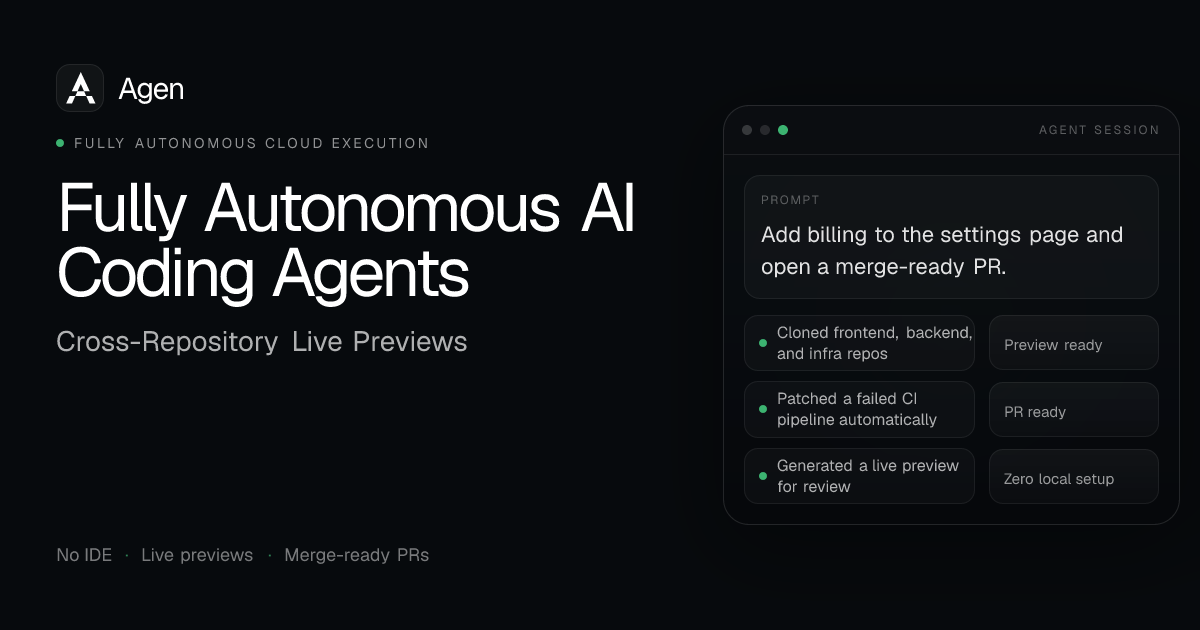
Agen runs fully autonomous coding agents in the cloud, letting teams assign work from the browser and get back branch-safe changes, previews, and pipeline fixes without sitting inside an IDE session.
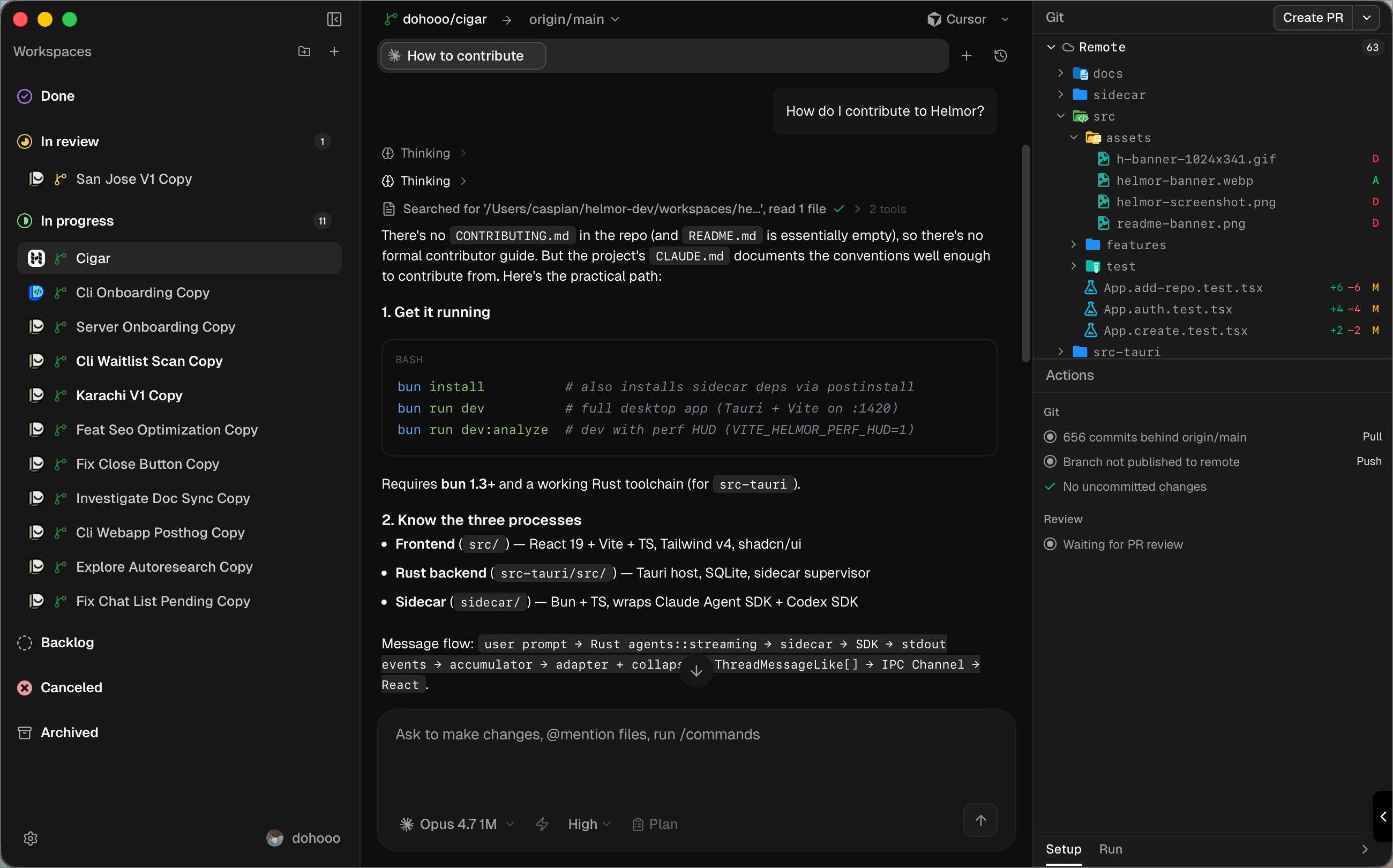
Helmor is a local-first workbench for orchestrating multiple coding agents across worktrees on your own machine, with planning, review, and merge flow built in.
RoBrain is an open-source decision-memory layer for AI coding teams. It captures choices, rejected alternatives and rationale across Claude Code, Cursor, Copilot, Codex CLI and Hermes. This independent guide explains architecture, self-hosting, privacy, VetoBench evidence, governance, evaluation and alternatives.