About
Claw Patrol is built for teams that want to give agents real tools without turning those agents into unrestricted insiders. It sits between the agent and external systems, injects secrets the model never sees, and lets operators define what should pass automatically, what should be reviewed, and what should be blocked.
Why It Is Hot Now
It is hot now because agent security is shifting from abstract concern to immediate operational problem. The project kept traction on Hacker News after its June 9, 2026 Show HN launch, and its official site gives it a stronger product surface than many repo-only security experiments.
Key Features
- Acts as a network-side proxy so agents can call tools and services without directly handling stored credentials.
- Uses approval rules and policy checks to force review on higher-risk actions instead of trusting every model decision.
- Keeps an audit trail that helps teams see what an agent attempted, what was allowed, and what was stopped.
Real Use Cases
- Putting guardrails around coding agents that can reach GitHub, Slack, databases, or production APIs.
- Reducing secret exposure when internal teams want to automate workflows with LLM-driven agents.
- Testing agentic automation in security-sensitive environments without giving the model broad raw access.
Community Pulse
The community response is pragmatic: builders like that Claw Patrol focuses on the credential and approval boundary instead of only talking about prompt hygiene. The main open question is how much policy friction teams will tolerate once agent workflows move into daily operations.
Limits and Risks
Claw Patrol does not make agent systems safe by default. Teams still need good scopes, sane approval design, logging review, and a clear model of which actions should never be delegated.
Alternatives
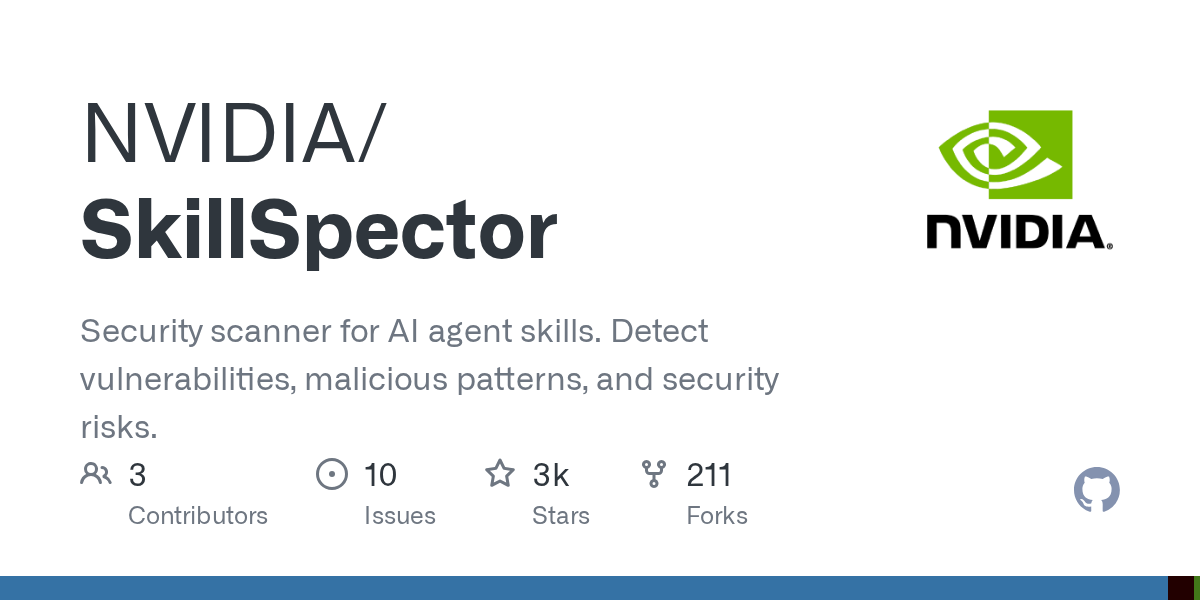
Alternatives include custom reverse proxies, secrets brokers, sandbox-first agent runners, internal allowlist systems, and broader agent security platforms such as policy gateways or skill scanners.
FAQ
- Who should try it first? Platform, security, and developer infrastructure teams that already operate agents with access to real systems.
- What should they validate? Whether the approval and credential model blocks meaningful risk without slowing useful workflows to a halt.
Source and freshness note
Reviewed 25 July 2026. Product capabilities, pricing, model versions, and policies can change. The link below is the website stored for this listing; verify that it is the canonical source and check current documentation and terms before making a purchase or production decision.