Credence
Credence checks any MCP server or AI tool against a trust registry to score security and behavioral risk.
SecurityTrustProvenance
4070

AI Detect Lab is a free AI-generated image detection tool for checking whether an image may come from systems such as Midjourney, Stable Diffusion, DALL-E, Flux, or other AI image generators. It is useful for moderation, verification, and editorial review, but results should be treated as signals, not final proof.
468
Views
0
Likes
Jan 2026
Added
aidetectlab.com
Website
A quick visual look at AI Detect Lab before you visit the official site.
Editorial Review
AI Detect Lab helps users estimate whether an uploaded image was likely generated by AI. The tool is positioned around AI image detection for popular generators such as Midjourney, Stable Diffusion, DALL-E and related systems.
AI detectors can produce false positives and false negatives, especially after compression, editing, screenshots, upscaling, or model changes. Do not use AI Detect Lab as the only evidence for accusations, moderation decisions, or academic discipline. Combine it with source checks, metadata, provenance, and human review.
AI Detect Lab should be evaluated against a real user job rather than a polished demonstration. Start with the job the product should complete, the user who owns that job, and the evidence required to accept the result. Avoid evaluating an AI product only by the number of features on its landing page.
Use a small reversible pilot. Define success before starting, keep the original inputs and outputs, document corrections, and expand only when the tool saves measurable time or improves quality without introducing unacceptable data or operational risk.
AI product capabilities, prices, underlying models, free tiers, and policies change frequently. Marketing claims and community enthusiasm should be treated as leads to verify, not durable facts.
Compare adjacent products by completed-job cost, correction time, privacy, integrations, export, support, and switching risk. A familiar manual process can remain the better option when usage is infrequent or errors are expensive.
Use a real task, a written acceptance checklist, and the same inputs used for alternatives. Measure time saved after correction, not only generation speed.
Check plan limits, credits, renewal price, cancellation, refunds, data retention, model training, commercial rights, integrations, exports, and support.
The most common risk is adding a new subscription and workflow without reducing total work. Include review, retries, handoffs, training, and migration in the cost.
This evaluation framework was reviewed on 25 July 2026. The link below is the website currently stored for this listing; it may be an official product page, repository, app-store entry, regional page, or third-party service. Confirm ownership and current terms before signing in, paying, installing software, or uploading data.
Visit the official website to get started
Have an AI tool to share?
Get your product in front of people actively exploring AI tools.
Submit Your ToolCredence checks any MCP server or AI tool against a trust registry to score security and behavioral risk.
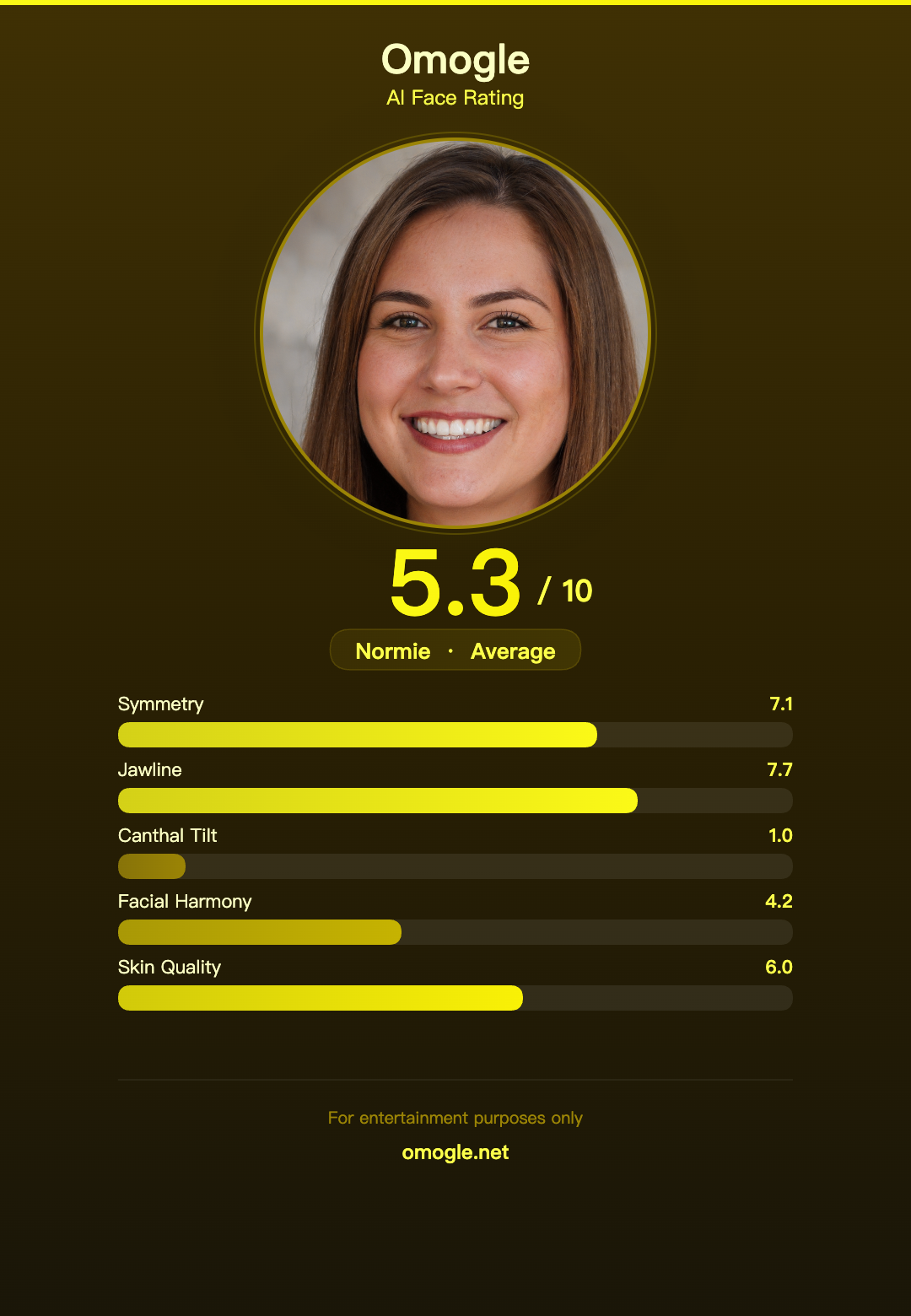
Omogle is a browser-based entertainment tool that estimates a PSL-style facial score from an uploaded photo; its output is subjective, non-clinical, and should be treated cautiously rather than as an objective measure of attractiveness.
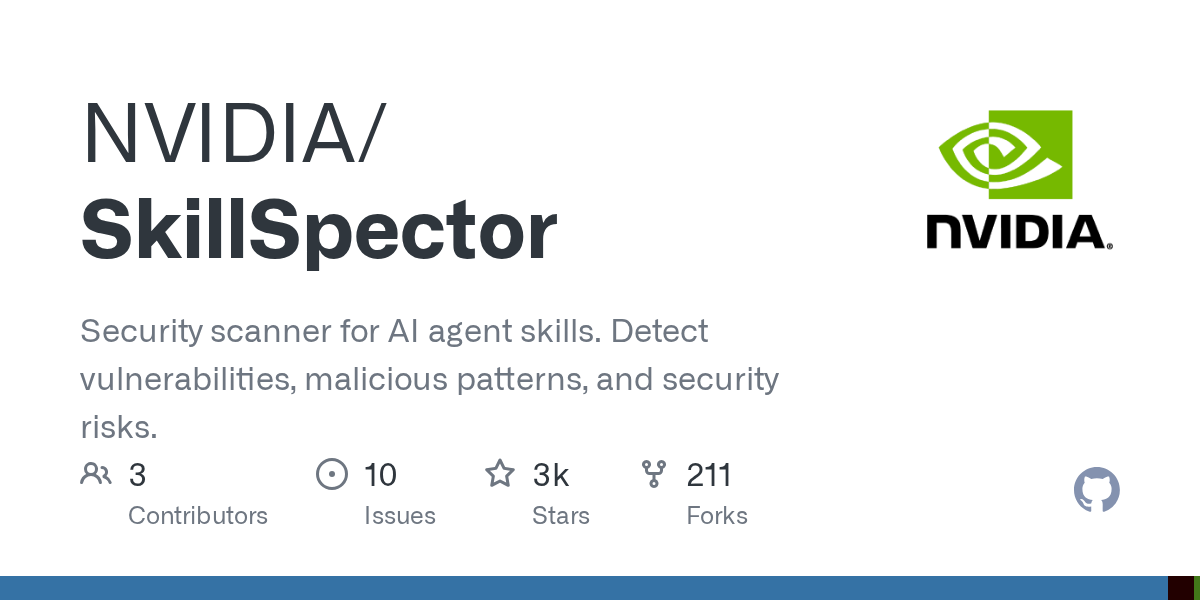
SkillSpector is NVIDIA's open-source security scanner for AI agent skills. It combines 64 static detection patterns, AST and taint analysis, OSV dependency checks, optional LLM review and SARIF output. This guide covers coverage, blind spots, CI policy, privacy, triage and alternatives.

Claw Patrol is an open-source security firewall for AI agents that keeps credentials out of the agent context and gates risky actions with explicit policy controls.