Superpowers
Superpowers turns coding-agent best practices into an installable skills framework, helping teams move from raw prompting to more disciplined planning, implementation, and review loops.
coding agentsagent skillsdeveloper workflow
1370
49 tools in this category
Superpowers turns coding-agent best practices into an installable skills framework, helping teams move from raw prompting to more disciplined planning, implementation, and review loops.
Keen Code is an open-source CLI coding agent in Go built for developers who want lean context usage, multi-provider model choice, and skill-driven MCP workflows.
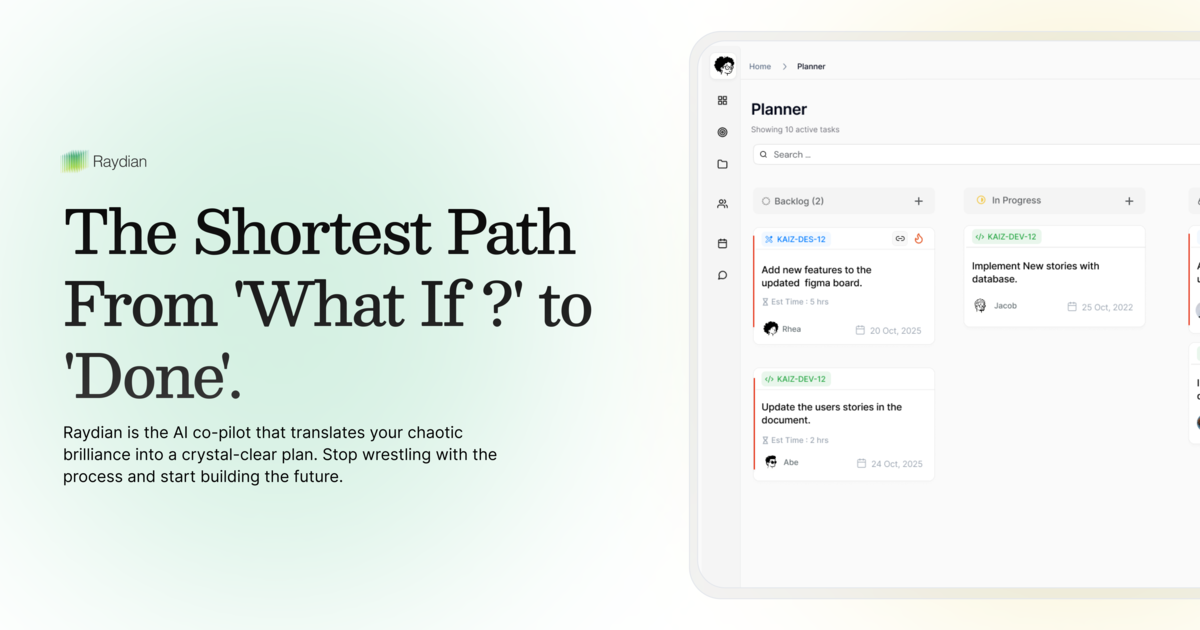
Raydian is an AI execution workspace that turns rough product ideas into structured plans, tasks, roadmaps, and Kanban-style delivery flows for builders and small teams.
Dropstone is a terminal coding agent with a model-agnostic monthly release cycle, approval-gated execution, and an unusual pricing play built around re-basing to whichever open model stack performs best each month.
Runtime gives companies a shared runtime for sandboxed coding agents, with team integrations, guardrails, spend controls, and optional self-hosting so more than engineering can safely ship work with agents.

Grass gives AI coding agents a persistent VM with phone-based approvals, remote diff review, and always-on sessions so work keeps moving after your laptop goes to sleep.
Pi Coding Agent is a minimal, extensible terminal harness for AI coding workflows. It keeps the core small, supports many model providers, and lets developers shape prompts, packages, extensions, and runtime patterns around their own process.
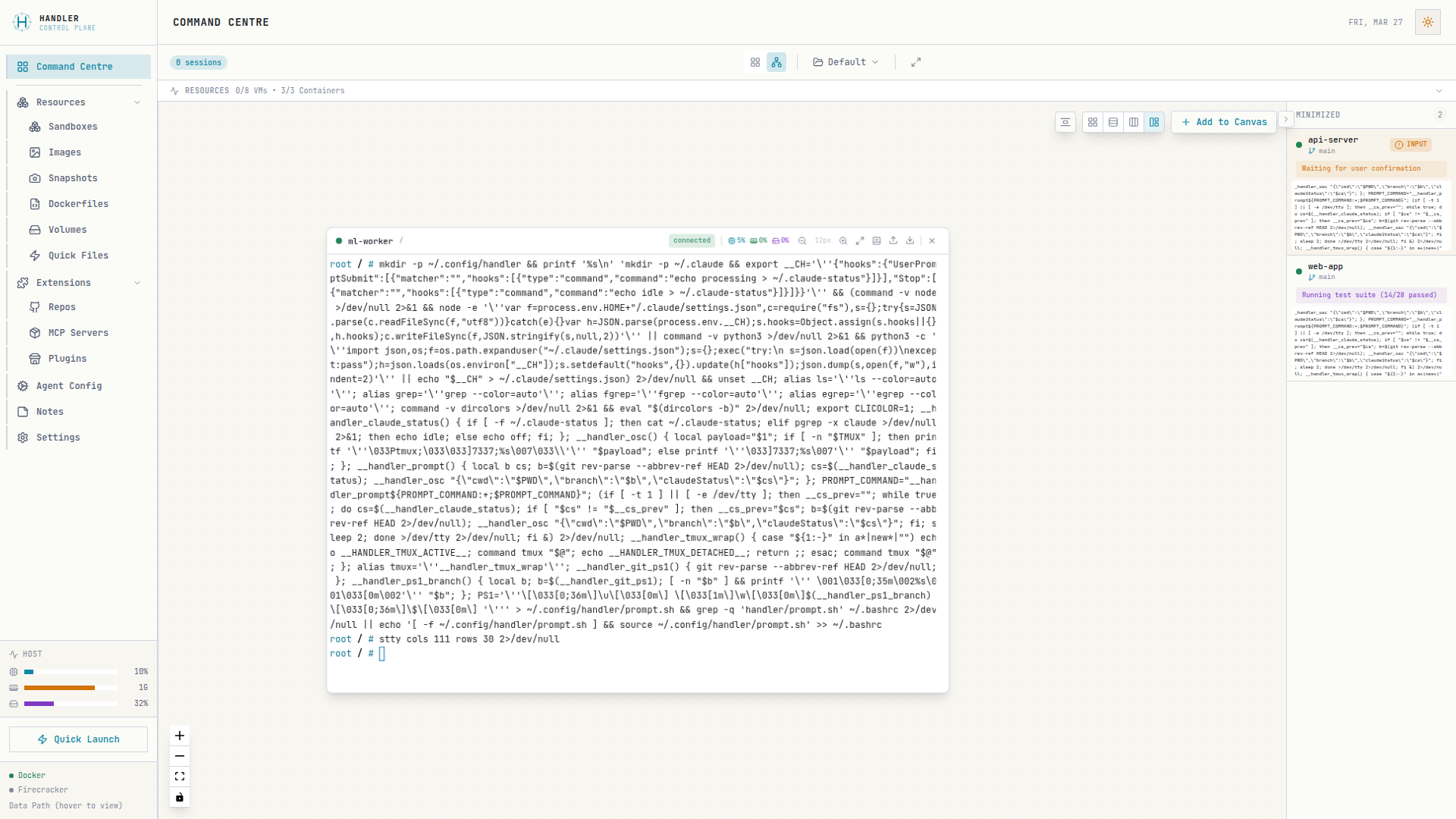
Handler is an open-source control plane for AI coding agents that runs each agent in its own sandbox, explains edits as they happen, and gives teams a cleaner way to review, fork, and steer long-running coding sessions.
Crew44 is a local-first workspace that turns installed coding agents into a coordinated crew of specialists with role-based models, persistent project memory, and structured handoffs across the same codebase.
Replicas runs Claude Code, Codex, and similar coding agents in isolated cloud development environments so teams can hand off engineering work from GitHub, Slack, Linear, or the web and come back to a reviewable pull request.

Joanium is a local-first AI desktop workspace for developers and power users that combines multi-model chat, project-scoped context, scheduled agents, real integrations, and on-device control over keys and data.
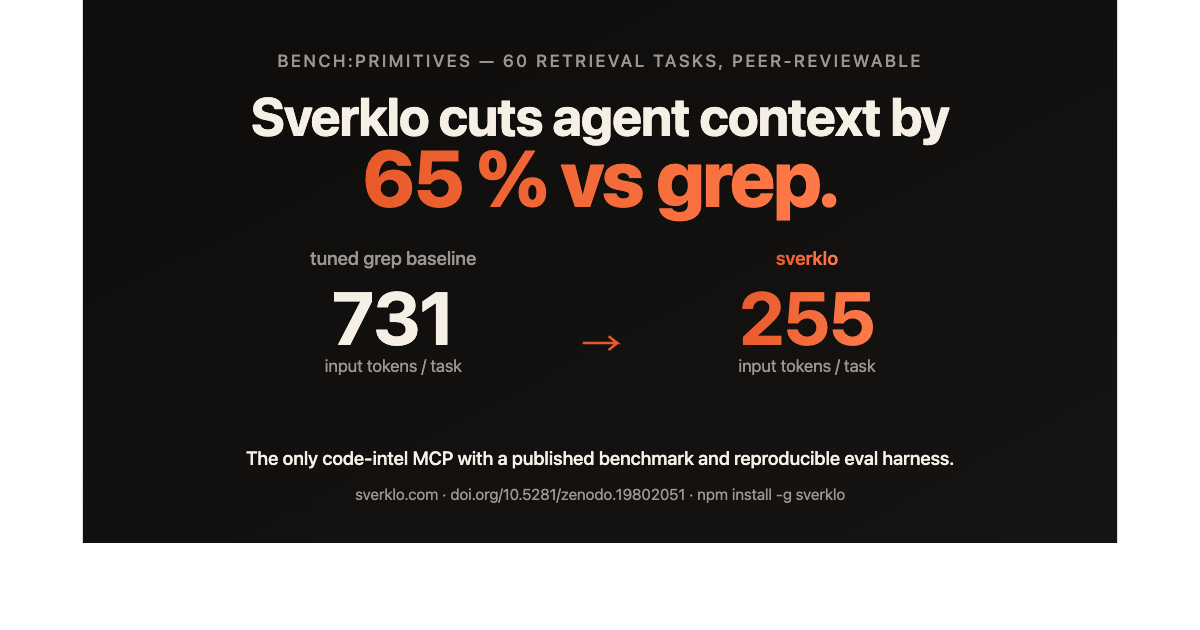
Sverklo is a local-first MCP server for coding agents that gives Claude Code, Cursor, Windsurf, Codex CLI and similar tools repo memory, symbol intelligence, blast-radius analysis, and git-pinned decisions before they edit code.
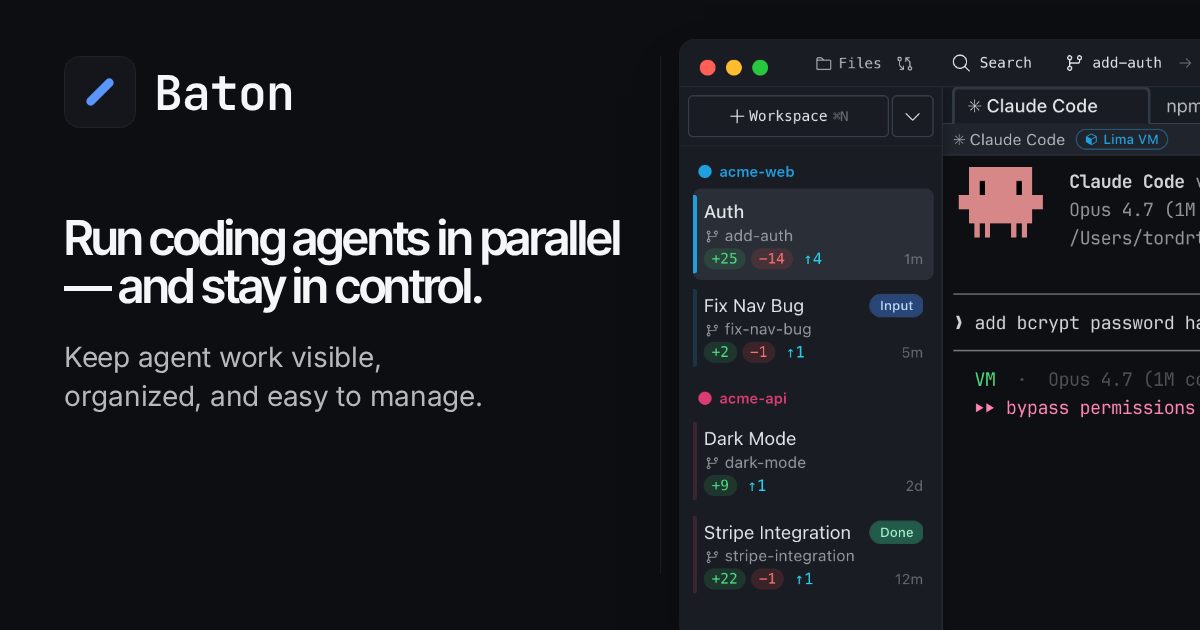
Baton is a desktop app for running multiple AI coding agents in parallel, each inside its own git-isolated workspace, with built-in search, diffs, notifications, and MCP support.
TAKT is a YAML-driven orchestration system for coordinating coding agents, human checkpoints, and reusable workflow records across tools like Claude Code and Codex.
Open SWE is LangChain's open-source asynchronous coding agent for planning, coding, testing, and opening pull requests from developer workflows such as GitHub, Slack, and Linear.
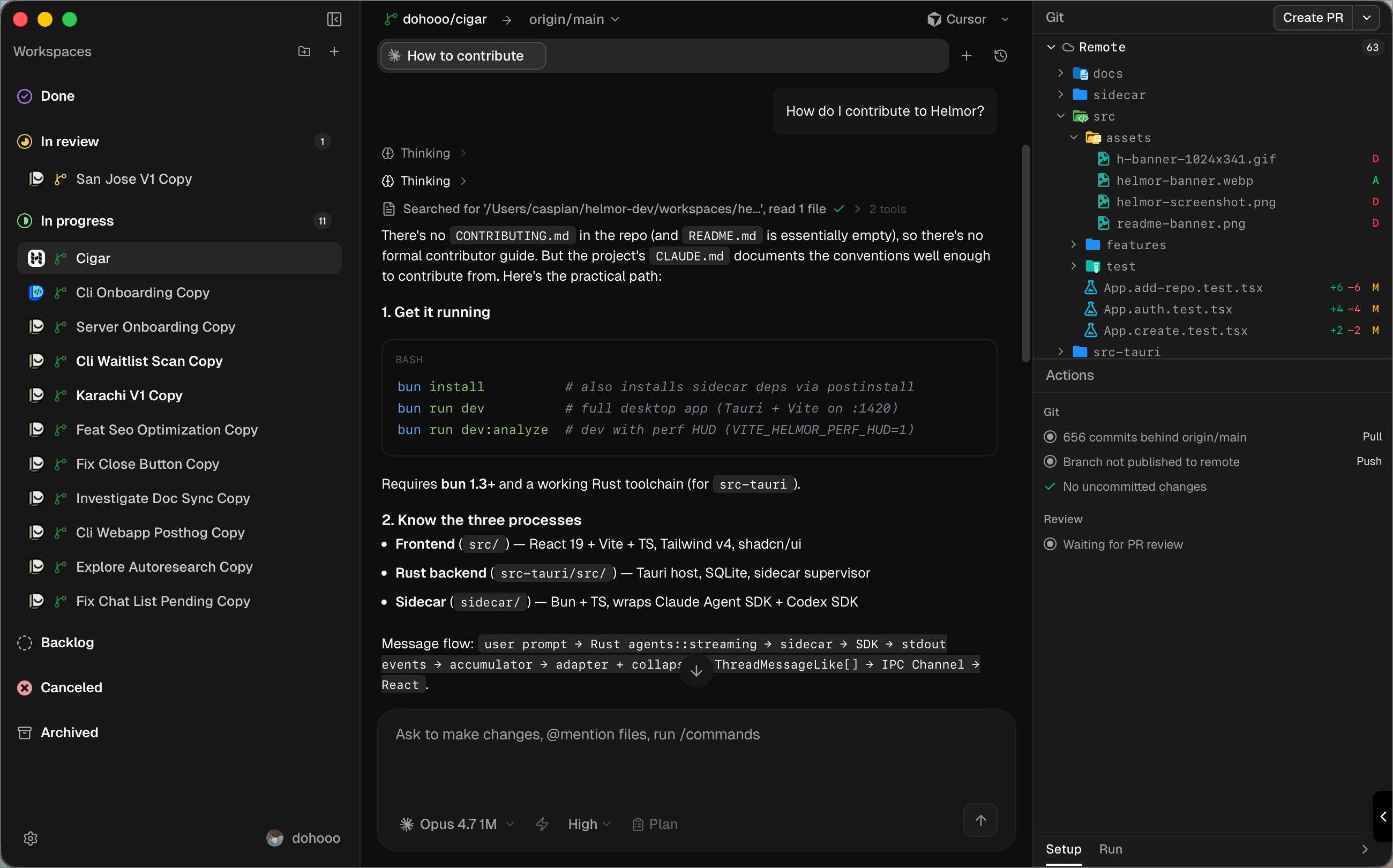
Helmor is a local-first workbench for orchestrating multiple coding agents across worktrees on your own machine, with planning, review, and merge flow built in.
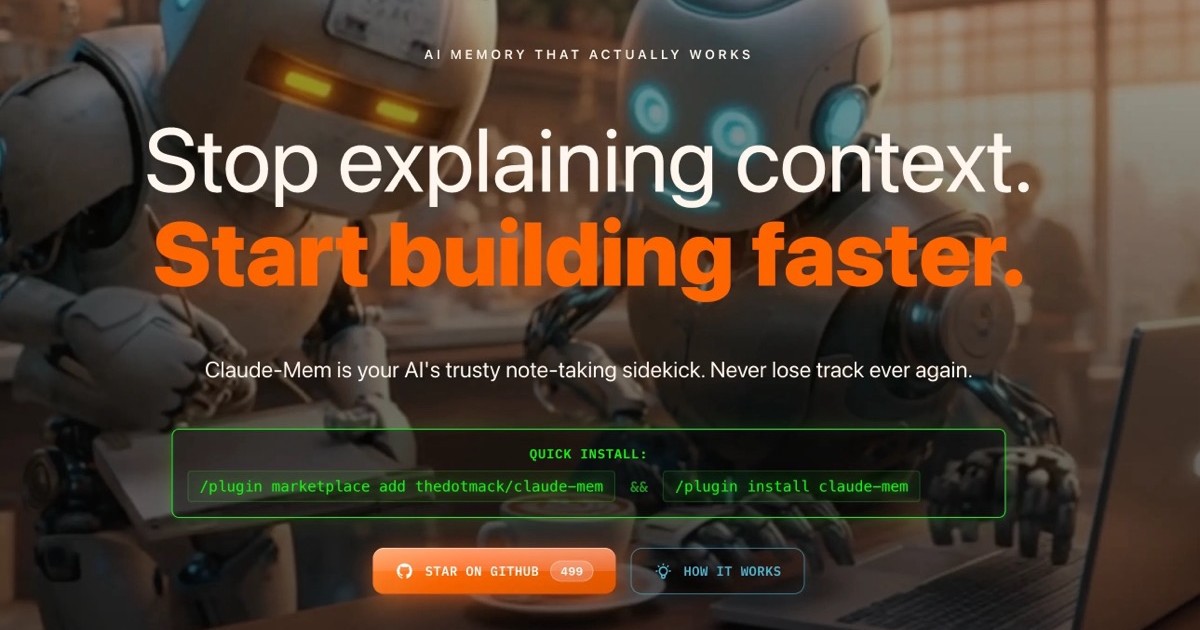
Claude Mem turns agent sessions into a persistent searchable archive, then compresses and feeds the relevant context back into future coding runs across multiple agent tools.
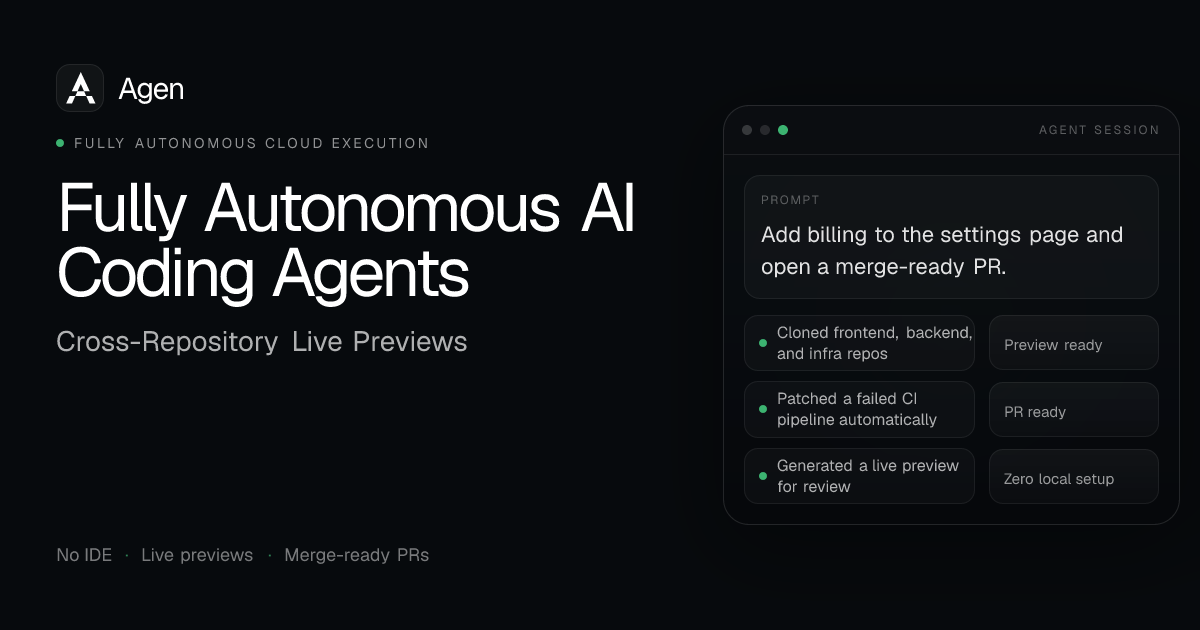
Agen runs fully autonomous coding agents in the cloud, letting teams assign work from the browser and get back branch-safe changes, previews, and pipeline fixes without sitting inside an IDE session.
RoBrain gives AI coding teams a shared memory layer that records decisions, rejected options, and contradictions so agents stop reopening the same architecture debates from scratch.
ContextPool gives coding agents persistent memory across sessions so teams stop re-debugging the same issues and re-explaining the same repo decisions.
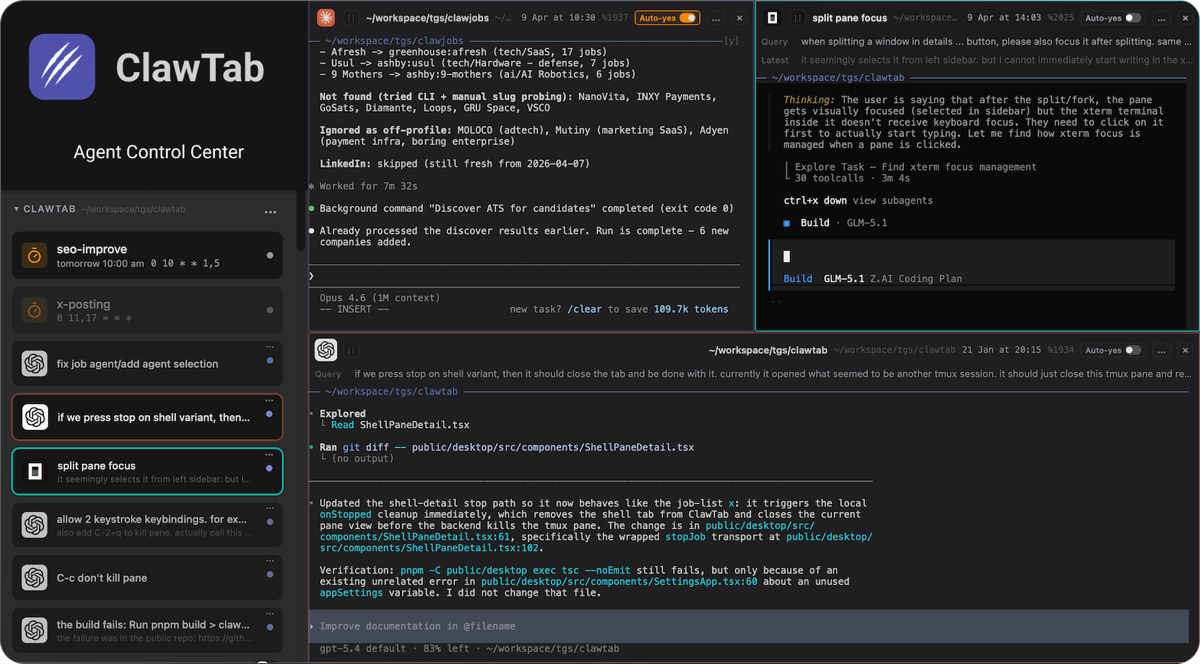
ClawTab is a macOS control center for running and monitoring large numbers of Claude Code, Codex, OpenCode, and shell sessions through tmux.
Open Agents is Vercel's open-source reference app for building background coding agents that run in cloud sandboxes instead of on a developer laptop.
Google Antigravity is Google's agent-first coding platform, now repositioned around Antigravity 2.0 with a standalone desktop app, CLI, and SDK for multi-agent development workflows.
Contextberg turns your screen activity, browser history, and agent transcripts into local memory that Claude Code, Cursor, and similar agents can query through MCP.